New UK Government scheme · October 2026

Government-backed solar finance

Up to£15,000

0% and low-interest loan options available.

The UK Government's new Warm Homes Loan Scheme is helping qualifying homeowners spread the cost of solar panel installation.

Find out whether your property could meet the initial scheme criteria.

  • Government-backed schemeLower rates funded by a government grant to lenders
  • Available across the UKEngland, Scotland, Wales and Northern Ireland
  • No scheme-wide minimum incomeLenders still run their own checks
Check my eligibility

Free initial property check. No obligation.

Loans are subject to participating lender criteria, credit checks and affordability assessment. 0% rates are available only on certain products. Loans must be repaid.

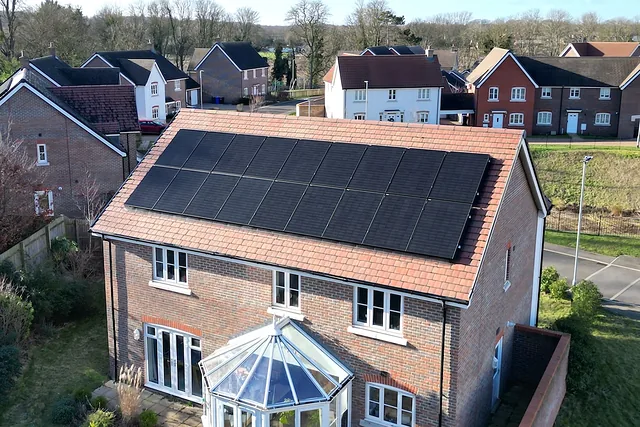
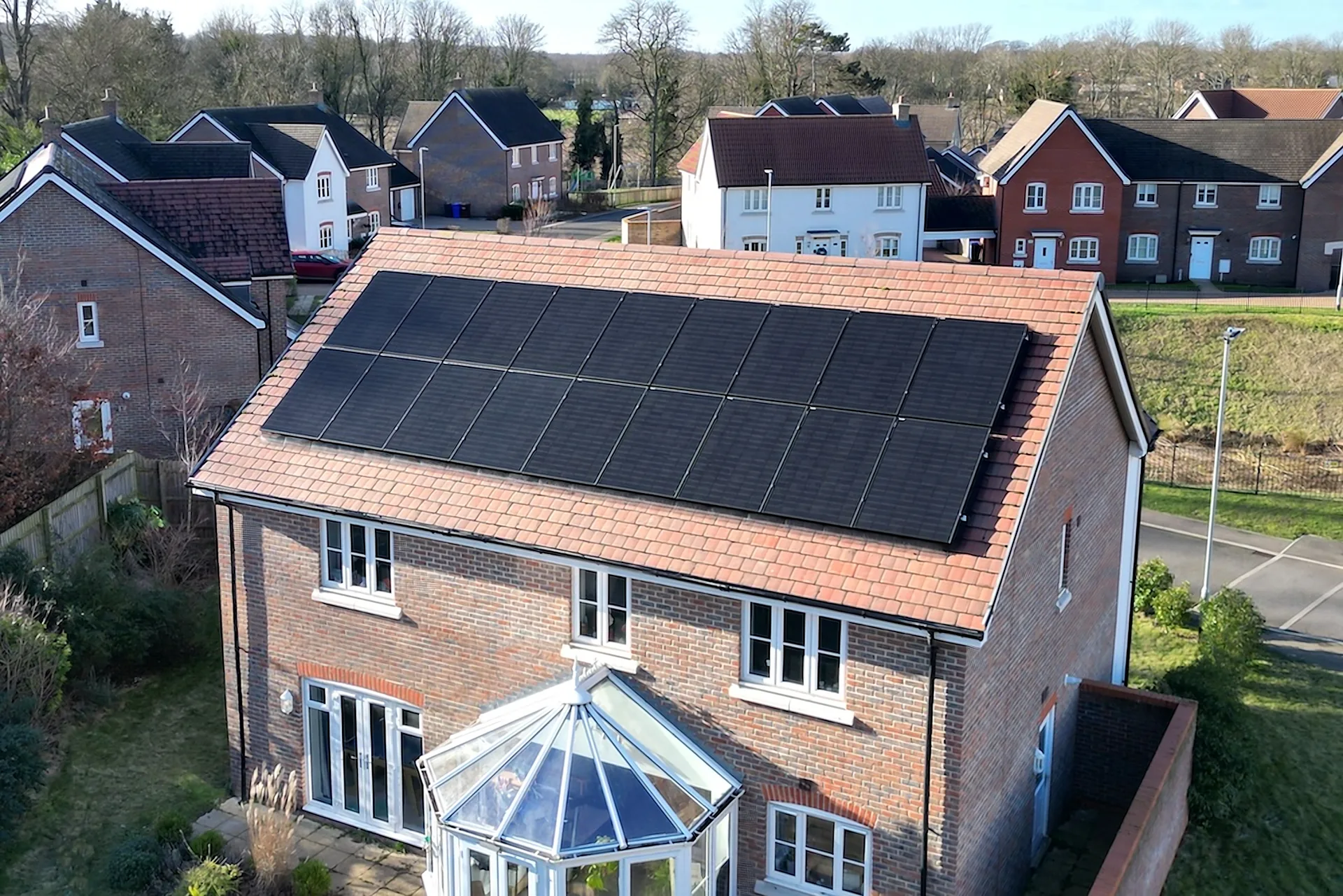
Aerial view of a red-brick UK detached home with a full array of black solar panels on a tiled roof

Solar panels

£15,000

max scheme loan

Free property check

Step 1 of 5

Where would you like solar panels installed?

Enter the postcode of the property.

No credit check. No account needed. About one minute.

  • No credit check to start
  • Takes about one minute
  • MCS-certified installs required
  • Free, no-obligation survey

Solar panel finance UK 2026

Solar panels on finance with the Warm Homes Loan Scheme

The Warm Homes Loan Scheme is the UK Government's new route to interest-free and low-interest solar panel loans. Announced by the Department for Energy Security and Net Zero on 27 October 2026, it lets homeowners and private landlords borrow up to £15,000 for solar panels and a further £15,000 for battery storage from participating lenders.

The government pays lenders a grant of up to 20% of the loan, which reduces the interest rate by up to five percentage points (never below 0%). On loans of three years or more, that can turn a standard solar panel loan into a 0% solar panel finance deal on selected products, or a noticeably cheaper one.

Energy Bee helps you start with the property: is the roof suitable, how big should the system be, and what will it cost. You then compare government-backed solar loans and apply to the lender you choose.
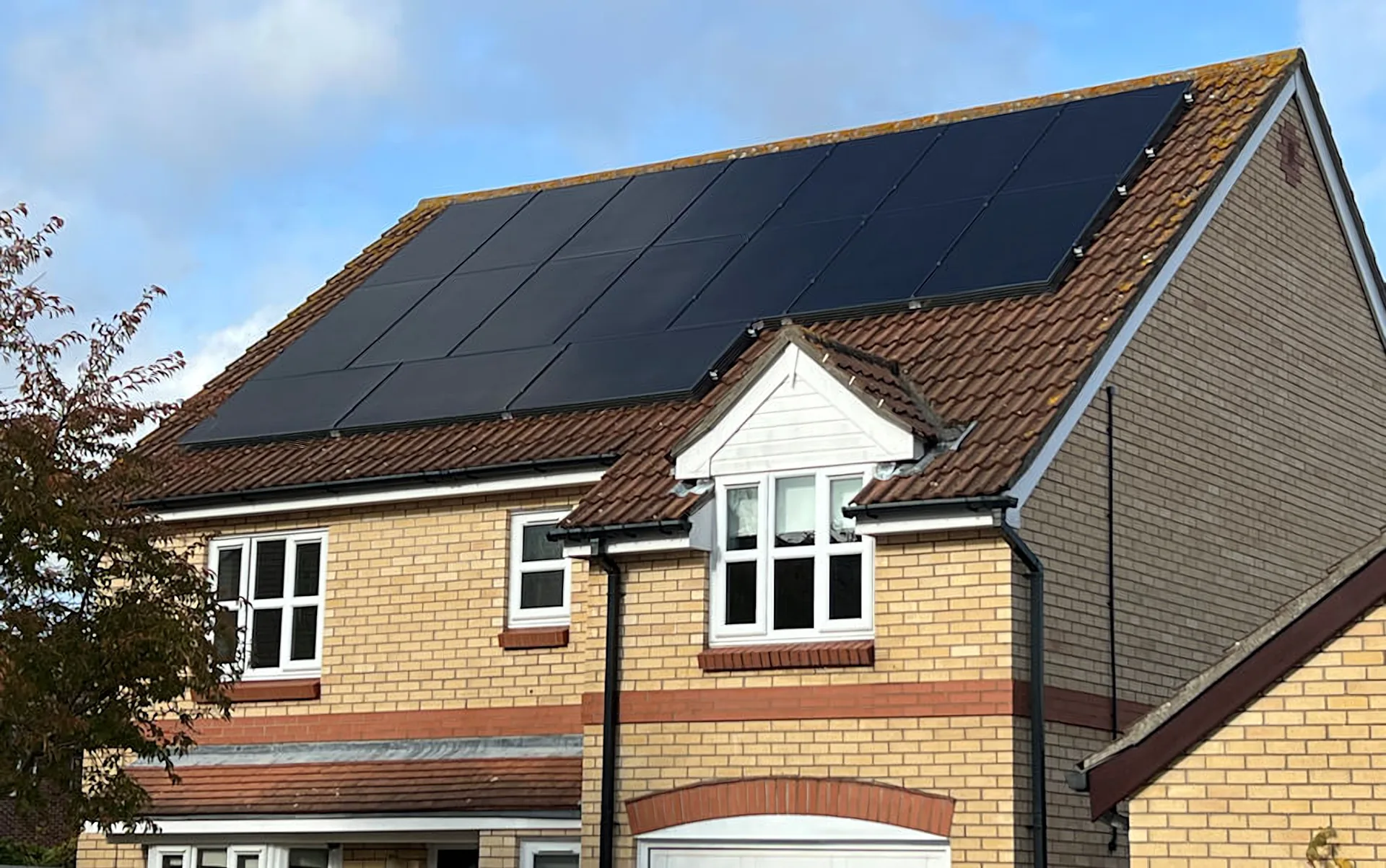
All-black solar panels on the tiled roof of a yellow-brick family home in England

Solar PV loan limit

£15,000

plus up to £15,000 for a home battery

Warm Homes Loan limits by technology

Each upgrade has its own maximum loan. Solar PV and battery storage are both capped at £15,000, so a combined solar and battery system can be financed through the scheme. All installations except heat network connections must use MCS-certified products and installers.

Government example: a £10,000 loan at 8% over seven years costs about £155 a month on a standard loan. Under the scheme, repayments could be up to £285 a year lower.

Maximum Warm Homes Loan Scheme loan for each technology
UpgradeMaximum loan
Solar panels (solar PV)£15,000
Battery storage£15,000
Air to water heat pump£20,000
Ground source heat pump£35,000
Air to air heat pump£10,000 (once MCS standards are in place)
Biomass boiler£20,000
Micro-renewables£20,000
Heat network connection£7,500

How to get government-backed solar panel finance

  1. 1

    Check your property

    Use the free Energy Bee property check: postcode, ownership and a few details. No credit check.

  2. 2

    Get a solar survey and quote

    We assess the roof, shading and electricity use, then give you a written quote for an MCS-certified system.

  3. 3

    Compare scheme loans

    Compare participating lenders on total repayable, term and fees. Some lenders work only with partner installers.

  4. 4

    Apply to a lender

    The lender runs its own credit and affordability checks and makes the decision.

  5. 5

    Install and keep your records

    Keep the quote, finance agreement, invoice and MCS certificate. The lender's grant is paid after MCS verification.
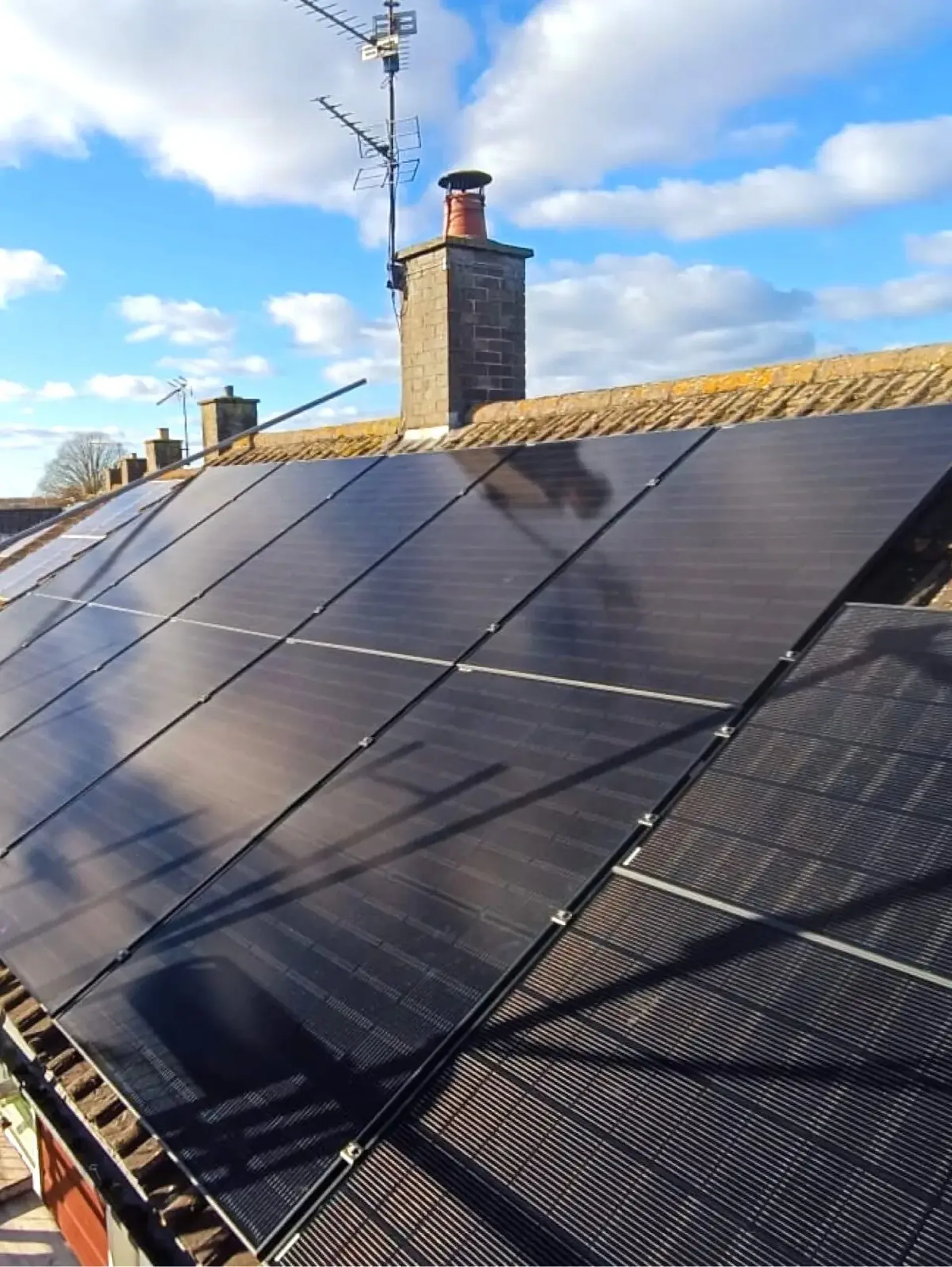
Rows of solar panels on a British terraced roof beside a brick chimney

Participating lenders

The first ten Warm Homes Loan lenders

The government named these lenders when the scheme launched, and expects more to join. Energy Bee is not a lender, broker or agent for any of them; we quote the solar installation and you choose the finance.

  • HomeServe (with E.ON)
  • HTG Finance
  • Propensio
  • Secure Trust Bank
  • Selina Finance
  • South Manchester Credit Union
  • Sunsave
  • Tandem Bank (with British Gas)
  • The Money Co-op
  • thisbank
Close view of solar panels mounted on a concrete tiled roof in evening light

Why homeowners are financing solar panels now

  • Spread the cost. Pay for solar panels monthly instead of upfront, with interest-free or reduced-rate loans on qualifying products.

  • Use your own electricity. Panels generate during the day; a battery stores it for the evening, so you buy less from the grid.

  • Bigger savings with the full set. The government estimates a heat pump, battery and solar panels together could save families up to £550 a year on energy bills.

  • Landlords included. Private residential landlords can take a scheme loan for each property they own.

Solar finance across the UK

The scheme covers England, Scotland, Wales and Northern Ireland. Energy Bee surveys and installs across the North East, including Newcastle upon Tyne, Gateshead, Sunderland, South Shields, North Tyneside, Durham, Northumberland, Teesside.
Solar on UK homes

Low-profile, all-black panels sized to the roof and the household's electricity use. Scheme finance can spread the cost of a full system, fitted by an MCS-certified installer.

All-black solar panels on the tiled roof of a yellow-brick family home in England
All-black panels on a family home
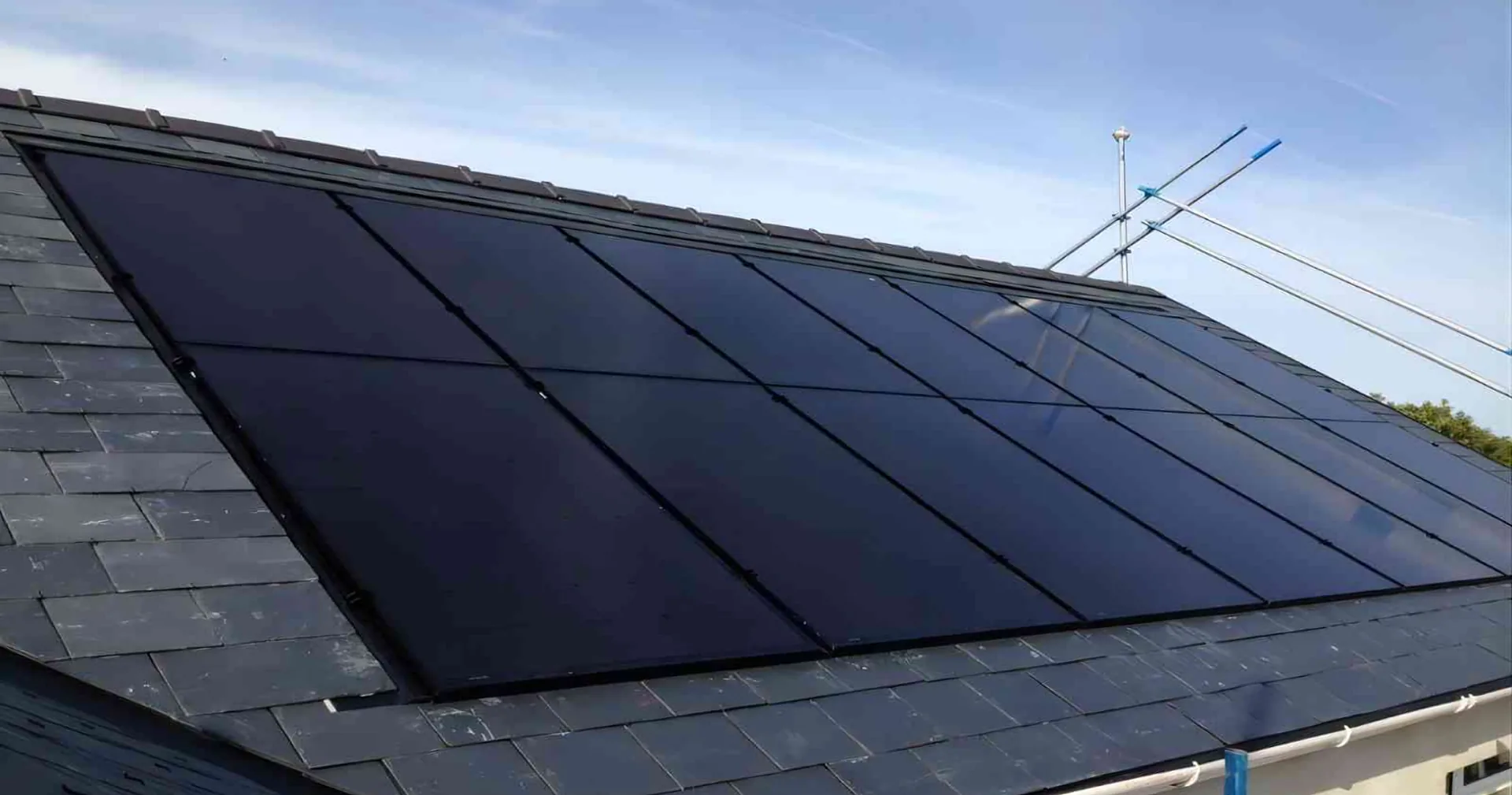
Black solar PV panels fitted flush to a slate roof on a UK house
Flush fit on a slate roof
Rows of solar panels on a British terraced roof beside a brick chimney
Terraced roof install
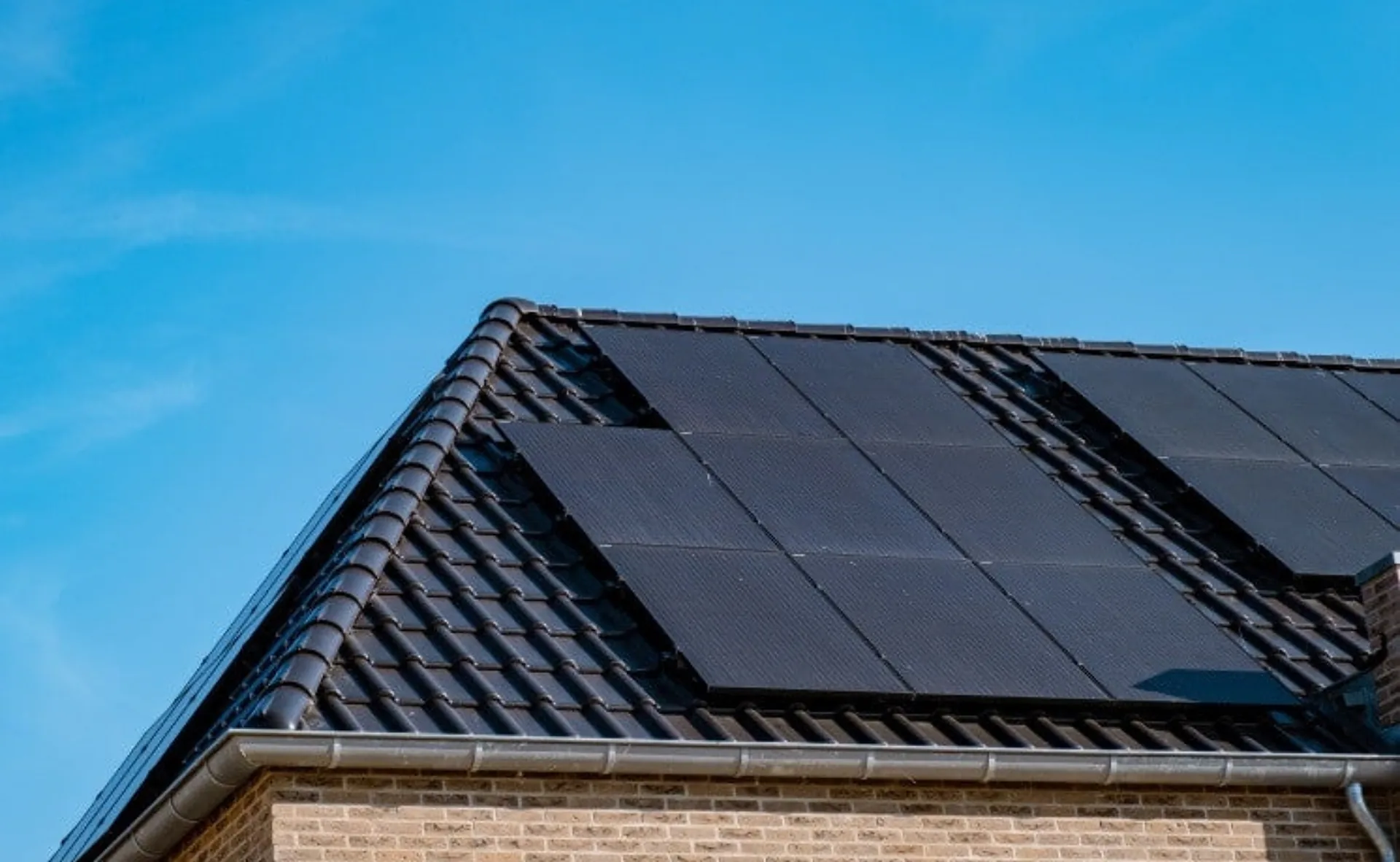
Solar panels on a dark tiled roof of a brick home against a clear blue sky
Clean lines, no clutter
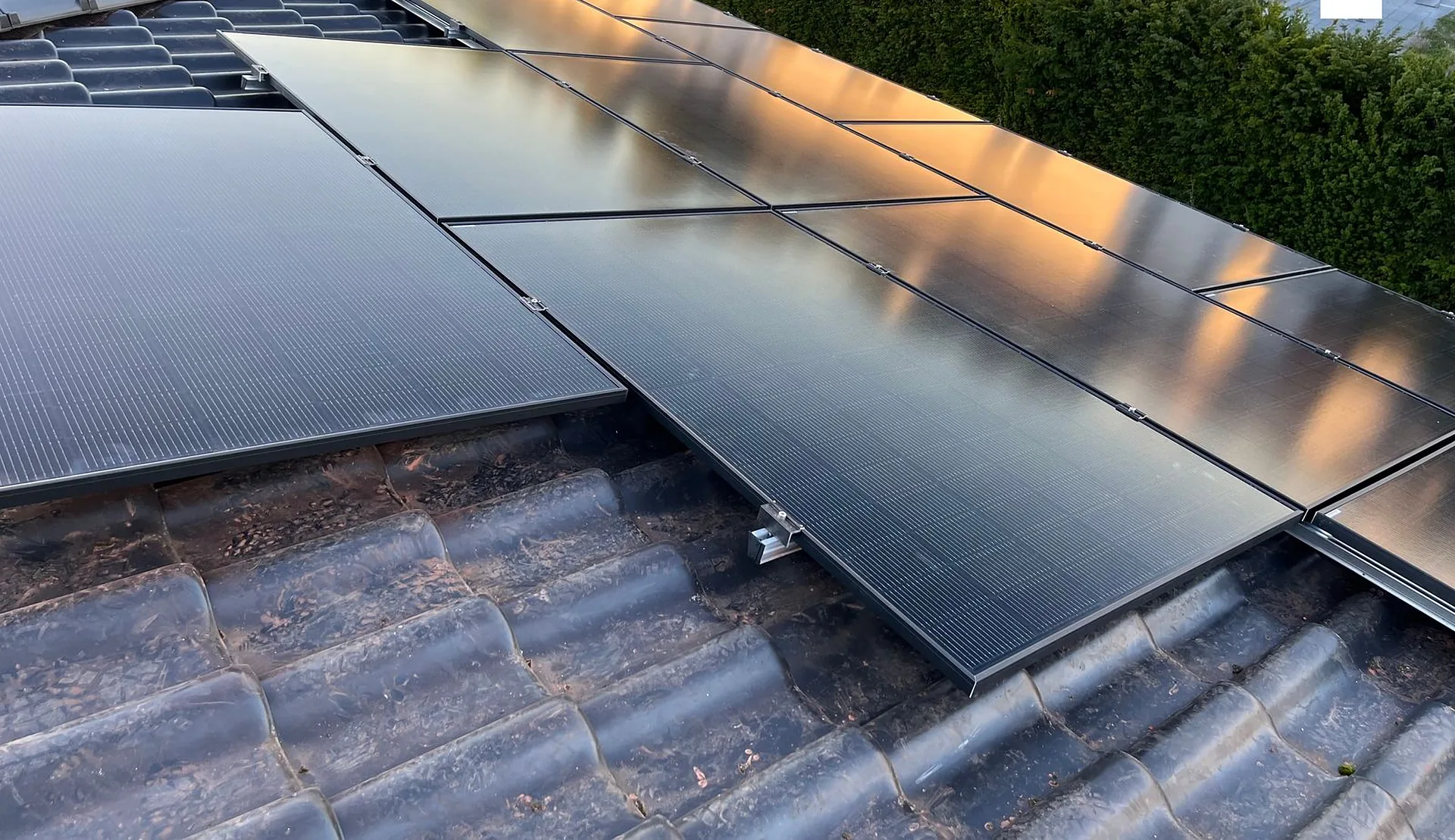
Close view of solar panels mounted on a concrete tiled roof in evening light
Neat rail fixings

Warm Homes Loan Scheme explained

How government-backed solar panel loans work

Announced on 27 October 2026, the Warm Homes Loan Scheme pays participating lenders a grant so they can offer interest-free and reduced-rate loans for home energy upgrades. Solar panels can be financed up to £15,000, with repayments spread over the loan term.

Maximum loan for solar panels
£15,000
Rate reduction on qualifying loans
Up to 5%
Interest-free on selected products
0%
England, Scotland, Wales, NI
4 nations
Black solar PV panels fitted flush to a slate roof on a UK house

Spread the cost

Solar panels now, paid monthly with a government-backed loan

Who the scheme is for

  • Owner-occupiers who live in the property
  • Private residential landlords, one loan per property they own
  • Homes in England, Scotland, Wales and Northern Ireland
  • No scheme-wide income limit; lenders run their own checks

What you need to know

  • Solar panels and the installer must be MCS-certified
  • Rates, terms and availability are set by each participating lender
  • Government support does not cover insulation, windows, doors or roof repairs
  • Scheme funding is limited and allocated first come, first served

Solar finance questions

Energy Bee is not a lender or credit broker and does not arrange finance. Lenders make all credit and affordability decisions.

Read the official GOV.UK factsheetCheck my eligibility

What is the Warm Homes Loan Scheme?

It is a UK Government scheme announced on 27 October 2026 that funds participating lenders to offer interest-free and reduced-rate loans for home energy upgrades, including solar panels. It covers England, Scotland, Wales and Northern Ireland.

How much can I borrow for solar panels?

Solar panel loans under the scheme can be up to £15,000. Battery storage has its own limit of up to £15,000. The amount you are offered depends on the lender, your quote and their affordability checks.

Are the loans really 0% interest?

Some participating lenders offer interest-free products. Others offer low-interest loans, with the government grant reducing the rate by up to 5 percentage points. Rates and terms are set by each lender and loans must be repaid.

Is there an income limit?

There is no scheme-wide income threshold. Each lender still carries out its own credit, affordability and eligibility checks before agreeing a loan.

Can landlords apply?

Yes. The scheme is designed for owner-occupiers and private residential landlords. Tenants cannot borrow against a property they do not own, but can ask the landlord to look into it.

Does the installer need to be MCS-certified?

Yes. For solar panels the products and the installer must be MCS-certified. Keep your quote, finance agreement, invoice and MCS certificate.

Does checking my property affect my credit score?

No. The Energy Bee check only asks about the property. We never ask for income, bank details or credit history. Any credit check happens later, only if you apply to a lender.

Is the Warm Homes Loan a grant?

No. It is a loan that must be repaid. The government pays participating lenders a grant of up to 20% of the loan so they can cut the interest rate by up to 5 percentage points, never below 0%.

Can I finance a solar battery as well?

Yes. Battery storage has its own scheme limit of up to £15,000, separate from the £15,000 for solar panels, so a solar and battery system can be financed together.

How long can I spread the repayments?

Terms are set by each lender. The government says some scheme loans run for up to thirty years, and the rate reduction applies to loans of three years or more.

Which lenders offer Warm Homes Loans?

The first ten named lenders are HomeServe (with E.ON), HTG Finance, Propensio, Secure Trust Bank, Selina Finance, South Manchester Credit Union, Sunsave, Tandem Bank (with British Gas), The Money Co-op and thisbank. More are expected to join.

What does the free Energy Bee property check involve?

About a minute online: your postcode, whether you own the property, whether it already has solar and the property type. We then arrange a solar survey and quote, which you can use to compare scheme loans.

Is Energy Bee a lender?

No. Energy Bee is not a lender, credit broker or government agent. We assess the property and quote for the solar installation. You choose and apply to a participating lender separately.